
The short answer
Crete is Greece’s largest island and one of its most diverse wine regions. It has four traditional PDOs (Peza, Archanes, Dafnes, Sitia), a remarkable population of indigenous varieties — over a dozen are now commercially produced — and a continuously documented wine culture stretching back to Minoan times. After several decades of focus on international varieties, the island’s most exciting wines today come from the revival of native grapes: above all the white Vidiano and the historic red Liatiko.
The place
Crete stretches 260 km east-to-west across the southern Aegean, separated from the rest of Greece by the Sea of Crete to the north and facing the Libyan Sea to the south. Its landscape is dramatic: the Lefka Ori (“White Mountains”) in the west, Mount Psiloritis (Ida) in the centre, and the Dikti range in the east — all rising above 2,000 metres — give the island a wide range of altitudes and microclimates.
The vineyards stretch from sea level on the northern coastal plains to over 800 metres on the foothills of Mount Psiloritis. This altitude range, combined with the maritime influence on a southern Mediterranean island, gives Crete an unusual stylistic spectrum: from warm-climate, generous-fruited table wines to cool, structured single-vineyard expressions that taste closer to mainland European reference points.
A continuous wine culture
Wine has been made on Crete for at least 4,000 years. Archaeological evidence from Phaistos, Vathypetro (near Archanes), and other Minoan sites shows winemaking infrastructure — including a remarkably well-preserved Bronze Age wine press — predating most European traditions. The medieval Venetian period brought further sophistication, and Cretan sweet wines — known internationally as “Malvasia” or “Malmsey” — were among the most prized in Europe for centuries.
The 20th-century arrival of phylloxera, mass emigration, and a decades-long focus on bulk wine all damaged the tradition. The contemporary revival, beginning in the 1990s, has been built on rediscovery of the indigenous varieties and stricter quality regulation. Today’s serious Cretan wines look — and taste — nothing like the bulk reputation that preceded them.
The four traditional PDOs
PDO Peza
The largest and most central appellation, in the foothills south of Heraklion. Whites are made principally from Vilana, with the option of including up to 50% Thrapsathiri, Vidiano or Plyto. Reds are blends of Kotsifali (60-70%) and Mandilaria (30-40%) — a classic Cretan structural marriage in which Mandilaria’s tannins firm up the softer Kotsifali.
PDO Archanes
A small red-only appellation just south of Heraklion, around the village of Archanes (above the Minoan archaeological site of the same name). Again the Kotsifali-Mandilaria blend, but historically more concentrated and ageable than Peza thanks to lower yields and stricter rules.
PDO Dafnes
Centered on the village of Dafnes in central Crete, this PDO covers reds made from Liatiko — both dry and the rare sun-dried sweet style. Dafnes is also where the Vidiano revival began, though Vidiano falls outside the PDO and is sold under PGI Crete.
PDO Sitia
The eastern Cretan PDO, in the Lasithi prefecture. Whites from Vilana; reds from Liatiko with up to 20% Mandilaria. The PDO also covers a sweet sun-dried Liatiko style.
In addition, three more recent PDO designations — Malvasia of Candia, Malvasia of Sitia, and Malvasia Handakas-Candia — protect specific styles of Malvasia varietal wines, reviving the historic Venetian-era category.
The varieties
Whites
- Vidiano — the rising star. Originally from Dafnes, now grown across central Crete. Aromatic, full-bodied, peach-and-citrus profile, occasionally barrel-aged. Internationally compared to white Rhône varieties and white Burgundy.
- Vilana — the most widely planted Cretan white. Light to medium-bodied, citrus and floral, food-friendly. The classical PDO Peza grape.
- Thrapsathiri — fresh, mineral, slightly fuller-bodied than Vilana. Often blended.
- Plyto — almost extinct until Domaine Lyrarakis revived it; structured, lightly aromatic, distinctive.
- Dafni — also revived by Lyrarakis; herbal, fresh, almost laurel-leaf scented.
- Moschato Spinas — Crete’s own Muscat variant.
Reds
- Liatiko — the historical heart of Cretan red wine. Light to medium-bodied, red-cherry, rose petal, herbs. Early-ripening.
- Kotsifali — medium-bodied, ripe red fruit, soft tannins. Often blended with Mandilaria for structure.
- Mandilaria — tannic, deeply coloured, structured. Provides backbone in blends; also produced as a varietal.
- Romeiko — the western Crete (Chania) variety, used for both varietal reds and the traditional oxidative Marouvas wine.
Leading producers
Crete now has more than 30 commercial wineries; these are among the most consistent:
- Domaine Lyrarakis (Alagni) — pioneer of indigenous-variety revival; their single-vineyard Plyto and Dafni are reference benchmarks.
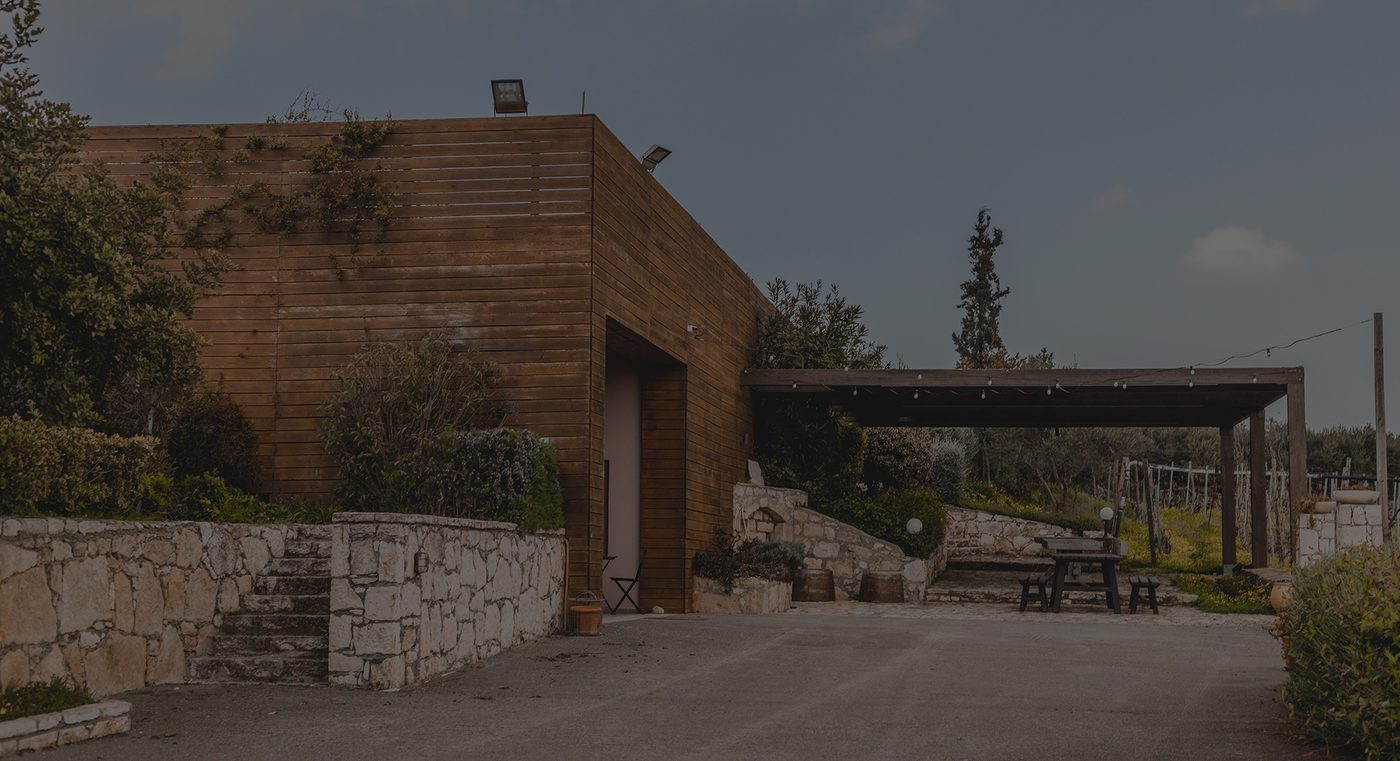
- Douloufakis Winery (Dafnes) — outstanding Vidiano work, including barrel-aged single-vineyard cuvées.
- Domaine Diamantakis (Heraklion) — Vidiano focus; precise, modern style.
- Domaine Paterianakis — biodynamic; traditional varieties expressed with elegance.
- Manousakis Winery / Nostos (Vatolakkos, Chania) — Rhône blends and Romeiko revival in western Crete.
- Strataridakis Winery (Sitia) — east-Crete focus, indigenous varieties.
- Domaine Stilianou (Heraklion) — certified organic, terroir-driven small-batch production.
- Boutari Crete / Skalani Estate — broader-distribution quality wines.
- Mediterra Winery (Silva Daskalakis) — wide range, reliable quality.
- Idaia Winery — small, focused on indigenous varieties at altitude.
At the table
Cretan wines pair naturally with the island’s food culture — which UNESCO has recognised as a distinct intangible heritage. Pairings that consistently work:
- Vidiano: grilled fish, baked snapper or sea bream, Cretan dakos (rusk with tomato and staka), goat’s-milk cheeses, roast chicken with herbs.
- Vilana: seafood meze, octopus, summer salads with feta and tomato, fried small fish (marides).
- Liatiko: roast lamb with herbs, slow-cooked pork in wine, mild aged cheeses, charcuterie.
- Kotsifali-Mandilaria blends (PDO Peza, Archanes): grilled red meat, wild boar, hard aged cheeses, tomato-based pasta dishes.
- Sweet PDO Dafnes (Liatiko): Cretan walnut and honey desserts, fresh and aged goat’s cheeses.
Visiting Crete wine country
Practicalities
- Base: Heraklion is the most practical base for first-time visitors — most major wineries are within 30-60 minutes’ drive, including those in Peza, Archanes, and Dafnes.
- Best time: late spring (May–June) or September (harvest period).
- Combine with: Knossos, Phaistos, Archanes, and the Heraklion Archaeological Museum (one of Europe’s finest).
- Western Crete: Chania is the base for Manousakis and Romeiko-area visits.
- Eastern Crete: Sitia for the eastern PDO, also worth combining with the palm beach at Vai and the Minoan site at Kato Zakros.
Booking
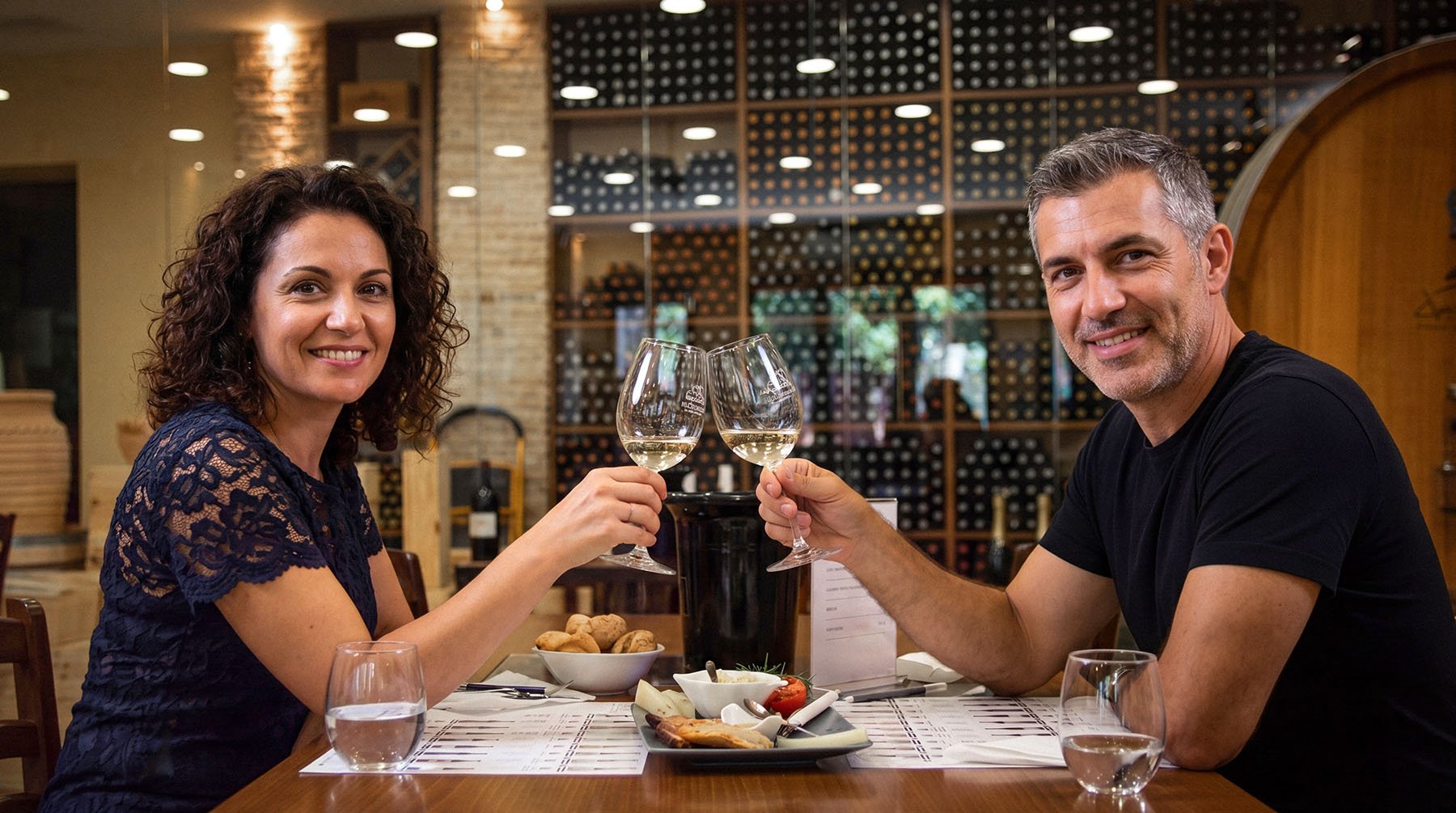
Most Cretan wineries welcome visitors but require advance booking. Several offer combined tastings and Cretan-meal experiences — a particularly rewarding way to understand the wines in their food context.
How does Crete compare to other Greek wine regions?
| Region | Style focus | Distinctive offer |
|---|---|---|
| Santorini | Volcanic mineral whites | Assyrtiko, Vinsanto |
| Northern Greece | Structured reds, fresh whites | Xinomavro, Malagousia |
| Peloponnese (Nemea) | Approachable reds | Agiorgitiko |
| Crete | Diversity | Most indigenous varieties of any single Greek region |
Crete’s particular value to a Greek wine programme is range: it can supply a fresh aromatic white (Vidiano), a structural one (Plyto), a soft food-friendly red (Liatiko), a structured one (Kotsifali-Mandilaria), and a historic sweet wine — all from a single island, all from indigenous grapes.
Why this matters
For sommeliers building a Greek wine programme, Crete offers more breadth at competitive prices than any other Greek region. For wine travellers, the island combines a unique wine culture with Minoan archaeology, dramatic landscape, and arguably the finest regional cuisine in Greece. And for the broader Mediterranean wine story, Crete is a quietly important answer to the question: how do you keep an ancient wine culture relevant — and outstanding — in the 21st century?
Find the perfect Greek wine for what you’re eating
Use e-SOM, our digital sommelier, to pair Greek wine with your food — or even with your mood. Free, fast, available in English and Greek.
See also: Santorini Wine: A Complete Guide · Best Greek Whites for Fish · Mediterranean Cuisine Pairing